

 Last Updated On: 21 September 2025
When I was 13 my father died, and as Judge Rinder often retorts:
anyone can be a father, but it takes a
certain person (where he implies effort) to be a dad
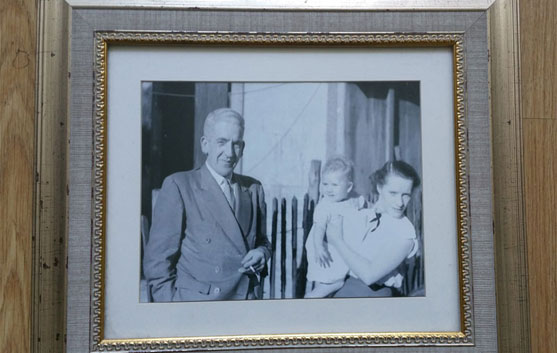
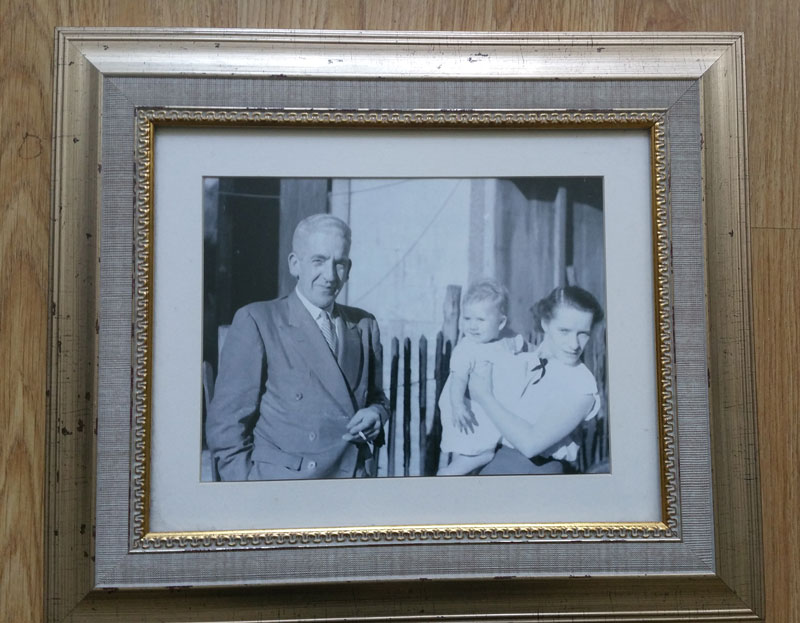
My father was an absent dad, he wasn’t around, and much later I learned that he purposely stayed out of the house until we were in bed. At weekends he would go to ‘his (drinking) club’ and occasionally he’d take us on a car jaunt along the country lanes where the ride was full of mixed emotions:
- Having an adventure
- Him being triggered into anger at the smallest thing
- My mum calming him down
- My brother and I in the back seat casting glances back and forth
The documentary highlights the dad’s experience of losing his wife in 2015, where she died within a 3-mth period of a second bout of cancer.
It didn’t give the family much time to adjust, and having been left with 3-small children to raise the programme helps him start his grieving process, as well as start learning how to be behave with his kids.
It shows how he’s thrown himself into work in what is a coping strategy of avoidance, in order to keep out the overwhelming feelings of loss he’s feeling, and his paralysis in terms of how to be around their mother’s death with his kids.
Losing my father
Losing a parent early is never easy, whether it’s to parents separating or the finality of death. The latter clearly has no come back, no questions to ask later as to why, what, where or how. No chance to make amends.
And a parent has to set about dealing with their own grief, the change in domestic circumstances, and playing both parents.
Today there’s a greater understanding, that when I experienced this I’m not sure that there were any services available to heal the rift. And whether there was or not my family didn’t have any form of emotional support throughout the grieving process. I can tell you about the effect it had on me, because it was life-changing.
I now believe it started when instead of attending his funeral we were sent back to school despite my protests. I got angry! My anger erupted and it’s only in recent years through the trainings I’ve taken that I got to the nub of the matter.
I was on an angry path for a very long time, and from this point onwards my relationship with my mum began to disintegrate. We’d be at loggerheads through a continual stream of misunderstandings, hurt and blame.
I lost a good friend in my late 30’s where due to a mental health condition she took her own life, that finally began triggering me into the work I do now.
Then more recently I lost my mum to Dementia and a Stroke, where despite our lifelong challenging relationship we managed to build bridges. But there was a lot of emotional build up that still needed to come out.
It has, and I’m well on the way to being a better more balanced person, who takes responsibility for my own emotional welfare and self-care.
I love the work I do and this documentary touched me in a range of ways. A few years ago I worked with a lady who hadn’t been able to talk about her mother’s death for 5-yrs without crying.
The difference this work made meant that within a shorter period than she would have thought possible, she was referring to her mum and laughing about her fond memories
It’s important to get our emotional loola (a technical term) out of our system because as one man shown in the documentary highlighted, whatever you’re holding back from your kids is what they will mirror. And if you’re trying not to show your emotions and grieve properly, your kids will quickly learn to do the same.
This is not the healthy way, but neither is being incapable of mentioning them without crying. Highlighting the happy memories you have of someone is an important thing to hold onto, as you let go of them.
And in my father’s case, I later set upon the curious trail of understanding why he was as he was, and how his younger life had shaped his emotional withdrawal from his young family who would likely have connected him with something far more valuable than the shortening of his life through falling into the bottom of a glass.
Thankfully today we have much better ways of not only coping, but learning from and managing to develop as a person from what are the toughest life challenges.

PS: I’d love to support you in getting rid of what’s not floating-your-boat, so that you can learn how to change what works against you and start tapping into your full potential.
Step up to the mark
Are you feeling ready to ditch the emotional roller-coaster, because this approach brings about a significant and noticeable difference?
Now click through on the button below and arrange a 20-min chat to put an end to the run of what’s no longer working in your favour.

 Health challenges in early childhood kick-started a Sherlock curiosity in cause and effect.


Leave a Reply