

 Last Updated On: 21 September 2025
But when you already have weight issues, poorly formed eating habits, and compulsive behaviours around food and snacks, you owe it to yourself to do something about it without hanging around to see what would happen if you continue ignoring it, and especially so when you’ve battled with this issue for what tots up to decades.
Finally taking hold of your life by the short-n-curlies and having something different from the worn out putting-on-a-brave-face-you, will get to experience a gentle release from all the stress, worry and excess energy that this has taken to maintain.
Instead this highly integrated approach, leads you through a very gentle process of picking everything off the-life-list, as you make your way into becoming a brighter, lighter, you that gets to be yourself easily and effortlessly.
And that wonderful character has been aching for her moment for the longest time!
Menopause weight gain
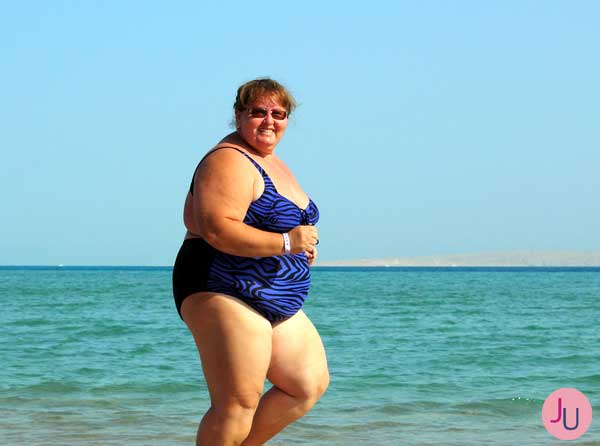
Although developing middle age spread at menopause is a common occurrence, looking at a different approach helps you nip it in the bud.
And it’s good news to realise that although weight gain does happen at menopause, it’s not a branded stamp, there are always choices. And where you’ve had a slight weight gain, but not previously struggled with weight and eating habits before making changes here is simple to address.
But on a cautionary note, avoid high-street dieting, as there’s not much evidence to support them yielding the results you need for long term success, and once the menopause arrives there’s so much happening physiologically, emotionally and mentally, where all components ought to be singing from the same hymn-sheet in order to find the healthier quality of life you want to live.
But by including all that’s going on simultaneously in your life, your world, and your body, including any weight fluctuations, give you more subtle control with an innate ability to recognise what works for you so you can replicate it.
The menopause is a delicate balance of change on a number of levels and there are a range of factors to bring into harmony, such as your:
- pre-existing chronic health conditions
- changing hormones
- metabolism
- nutrient uptake
- lifestyle choices
- mindset
Middle age spread myths
If you’ve a regular here you’ll know that I’m really into busting health myths, and remaining sceptical until I see or experience a difference for myself. I only ever recommend what I know to work, or how else can I put myself behind another product or service.
The hormonal changes of menopause might make you more likely to gain weight around your abdomen than around your hips and thighs. Hormonal changes alone don’t necessarily trigger menopause weight gain, however, doctors often describe the extra weight as age-related weight gain.
Muscle mass typically diminishes as we age, while fat stores increase. and the loss of muscle mass decreases the rate at which your body uses calories, which can make it more challenging to maintain a healthy weight.
This explains why people can eat healthily but not shift the extra pounds. If you continue to eat as you always have and don’t increase your physical activity, you’re likely to gain weight.
There are other factors that we dig into on my programme, which take a wider approach, because weight is not just about calories in – calories out.
Genetic factors can also play a role in middle age spread, if your parents or other close relatives carry extra weight around the abdomen, you’re likely to do the same. That doesn’t mean you’re stuck with it!
Other factors can include stressful events that often pertain to midlife:
- The children leaving home (and returning)
- Divorce and separation
- The death of a spouse
- Redundancy
- Serious illness
- Moving house
- Becoming a carer
These are contributing factors, and identified as the most stressful changes imposed from others that you can undergo. One or more of these often happens in middle age, and doctors now believe that menopause can be triggered by stress, where a correlation has been made between this and the onset of early-menopause, which is no longer a rarity.
What causes menopause weight gain?
Weight gain during and after the menopause is not an inevitable, but lifestyle adjustments are needed, in order to avoid added weight. According to The Mayo Clinic this is not necessarily due to the hormonal changes that are taking place, instead they agree with what doctors said as mentioned earlier, and put it down to the aging factors of diminishing muscle mass and retaining more fat:
Loss of muscle mass decreases the rate at which your body uses calories, which can make it more challenging to maintain a healthy weight. If you continue to eat as you always have and don’t increase your physical activity, you’re likely to gain weight. The Mayo Clinic
Is that all there is to it, I believe not and the META-Health model I draw from here definitely shows that there is likely to be more at play.
Managing all the contributors of weight gain during menopause is a delicate balance and why my Defying The ‘M’ Word programmes tailor themselves to your very individual requirements. And knowing that your state of health, mind, body, vitality and energy tell their own story is why I offer the reassurance of a satisfaction guarantee.

P.S. I’d love to help you back into shape, vibrant health and vitality.
Take the next steps
Are you ready to take some action in changing whatever is upending your attempts to find a way out of middle age spread and a cacophony of other menopausal challenges, because the cutting-edge effectiveness of my approach makes all the difference.


 Health challenges in early childhood kick-started a Sherlock curiosity in cause and effect.


Leave a Reply